+91 945 889 6091
  infodesk@ibluu.com
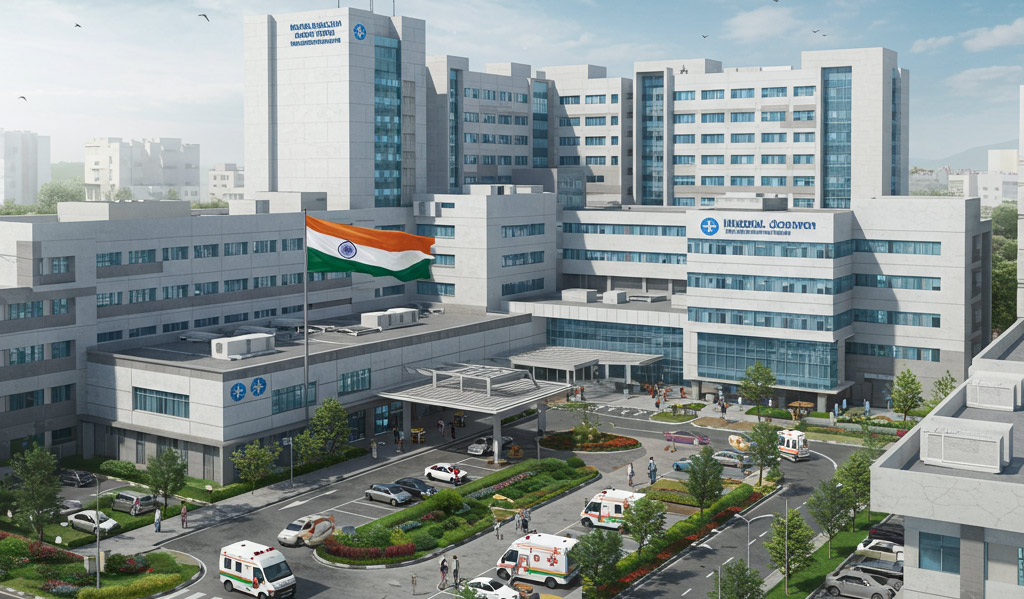
The Economic Significance of Medical Tourism in India — A Strategic Insight by iBluu Corporations
India’s medical tourism industry represents one of the country’s most dynamic and globally competitive sectors — a sector where healthcare excellence meets economic strategy. With an annual growth rate exceeding 15%, India has emerged as one of the top five global medical tourism destinations, attracting patients from Africa, the Middle East, South Asia, Europe, and North America.
The importance of medical tourism goes far beyond healthcare. It is a strategic pillar of India’s service economy, driving employment, foreign exchange inflow, and brand positioning as a global healthcare hub.
iBluu Corporations’ analysis highlights that by 2030, medical tourism could become a $15–20 billion industry for India — a sector that not only strengthens GDP but also amplifies the nation’s soft power, innovation, and inclusive growth potential.
1️⃣ Medical Tourism: A Convergence of Healthcare and Economic Policy
Medical tourism combines high-quality healthcare delivery with hospitality, logistics, and tourism infrastructure. For the Indian economy, this convergence creates a unique multi-sectoral impact:
- Healthcare Infrastructure Utilization: Hospitals maintain higher operational efficiency through foreign patient inflow.
- Employment Generation: Creates jobs in healthcare, travel, accommodation, and ancillary industries.
- Foreign Exchange Earnings: Inbound patients contribute billions through direct medical spending and travel-related expenditure.
- Brand India Strengthening: Enhances India’s international reputation as a cost-effective, ethical, and technologically advanced medical destination.
In essence, every medical tourist contributes simultaneously to India’s GDP, job creation, and global competitiveness.
2️⃣ Why India is Emerging as a Global Healthcare Destination
India’s unique positioning stems from five critical advantages:
a. World-Class Quality at Affordable Cost
Medical procedures in India cost 60–80% less than in Western countries — without compromising quality. For example, cardiac surgery that costs $100,000 in the U.S. can be performed for $10,000–$12,000 in India with comparable outcomes.
b. Globally Recognized Medical Expertise
Indian doctors are among the most qualified globally, with many trained or accredited by international institutions. Hospitals like Apollo, Fortis, Medanta, and AIIMS have set benchmarks for excellence.
c. Strong English Proficiency & Cultural Compatibility
Ease of communication and personalized care enhance patient trust and comfort, especially for visitors from Africa and the Middle East.
d. Integrated Alternative Medicine Ecosystem
India offers holistic care combining Allopathy, Ayurveda, Yoga, Unani, and Homeopathy (AYUSH) — a unique blend that promotes wellness-based tourism.
e. Government Policy Support
Initiatives like “Heal in India”, e-Medical Visa, and National Medical and Wellness Tourism Board have institutionalized the sector within India’s growth strategy.
3️⃣ Economic Impact of Medical Tourism on India
According to industry data, medical tourism contributed approximately $9 billion to India’s economy in 2023, with strong growth expected through the next decade.
a. Foreign Exchange Inflows
Every inbound patient brings international currency — increasing India’s foreign reserves and improving balance of payments.
b. Boost to the Service Sector
Medical tourism fuels growth across hotels, airlines, travel agencies, translators, and hospitality services — creating multiplier effects across the economy.
c. Urban and Regional Development
Cities like Chennai, Delhi, Mumbai, Hyderabad, and Kochi have evolved into healthcare hubs, attracting investments in infrastructure, diagnostics, and education.
d. Employment Generation
Each hospital serving international patients indirectly supports jobs in healthcare support services, tourism logistics, and retail. Estimates suggest that every 1,000 medical tourists generate 80–100 jobs.
e. Technology and Innovation
Competition and global patient expectations have accelerated adoption of cutting-edge technologies like robotic surgery, AI diagnostics, and telemedicine, strengthening India’s digital healthcare ecosystem.
4️⃣ How Medical Tourism Aligns with India’s Vision 2047
Under Vision 2047, India aspires to become a $10 trillion economy driven by high-value services, innovation, and human capital. Medical tourism aligns with this vision in multiple dimensions:
- Exporting Services, Not Just Products: Healthcare tourism is a high-margin export sector that doesn’t require manufacturing but leverages knowledge and skills.
- Inclusive Development: It strengthens Tier-II and Tier-III cities through healthcare investments, reducing regional disparity.
- Cultural Diplomacy: Patients who experience Indian care often become goodwill ambassadors abroad, strengthening India’s international influence.
- Sustainability & Wellness: Promotes preventive healthcare, aligning with India’s global wellness brand identity through Ayurveda and Yoga.
Thus, medical tourism is not just an economic tool — it is a strategic expression of India’s soft power and service excellence.
5️⃣ Challenges That Need Strategic Resolution
While India’s potential is immense, the medical tourism sector faces operational and regulatory challenges that must be addressed strategically:
- Quality Assurance & Accreditation: Need for standardized certification across hospitals to ensure consistent global quality.
- Patient Experience Management: Enhancing pre-arrival and post-discharge support through better coordination between hospitals, embassies, and travel agents.
- Marketing & Visibility: India must invest in global brand campaigns — much like “Incredible India” — focused on healthcare credibility.
- Data Transparency: Unified digital platforms can enhance trust and reduce malpractice risks.
- Infrastructure Bottlenecks: Seamless visa processes, transportation, and post-operative stay facilities are critical to patient satisfaction.
6️⃣ The Strategic Role of Consulting and Policy Advisory
This is where domestic consulting companies like iBluu Corporations play a catalytic role.
India needs integrated strategy partners who can bring together stakeholders — government agencies, private hospitals, investors, and global insurance providers — under a unified, result-oriented framework.
iBluu Corporations’ advisory outlook emphasizes:
- Policy support and stakeholder coordination for healthcare clusters.
- Strategic facilitation for foreign patient services and partnerships.
- Real estate and infrastructure consulting for medical tourism zones.
By combining ethical advisory, strategic government engagement, and business consulting, domestic firms can ensure that India’s medical tourism growth remains structured, sustainable, and globally credible.
Conclusion
Medical tourism is not just a healthcare opportunity — it is an economic growth engine and a diplomatic asset. For India, this sector represents a fusion of compassion, competence, and commerce, positioning the country as a trusted global destination for healing and wellness.
As the world increasingly seeks affordable and ethical healthcare, India stands ready — not just to treat patients, but to heal economies, build trust, and lead the global movement for accessible, sustainable healthcare for all.